Growth for charities
A charity's website has to work three times as hard as a commercial one. Donors arrive deciding whether to trust you with their money. The people you help arrive needing something, often urgently. Volunteers, partners, and funders arrive doing their homework. We build charities the visibility to reach all three, the clarity that makes the cause land first time, and the trust that turns a visit into support, with every pound of the work accountable to the mission it serves. Start with a free audit and we'll show you where your cause is invisible today.
The charity visibility problem
Charities compete for attention in the hardest arena there is. The generic cause searches are dominated by national names with teams and budgets no local or specialist charity can match. The people who need your help search in the language of their situation, not your service names. Donors give to causes they can find, evaluate, and believe, and they check before they give. And the whole operation runs under scrutiny: trustees, regulators, and the public all reading the same website with different questions. Most charity websites answer none of them well, because they were built to describe the organisation rather than serve its audiences.
What we do for charities

Websites that serve, not just describe
Sites structured around the visitor's need: the person seeking help finds it fast, the donor finds the confidence and the route to give, and your team can update all of it without a developer. Accessible as standard, because your audiences require it.
Web Design
Visibility for every audience
Search visibility built deliberately for each audience you serve: the help-seeking searches of the people you exist for, the giving and volunteering searches that fund the work, and the due-diligence searches of funders and partners. Increasingly that includes being the answer AI assistants give when someone asks who helps with your cause.

Clarity that converts belief into action
Your cause explained so anyone understands it in one reading: what you do, who it's for, and what a donation or an hour of volunteering actually achieves. Clear beats worthy, every time, and it's what both people and search engines reward.
Copywriting
Doing more with a small team
The operational side taken seriously: enquiries routed, supporters thanked, routine admin automated, so a small staff spends its hours on the mission rather than the inbox.
AI Automation
“I am still blown away by what it does!!”
We have done this before
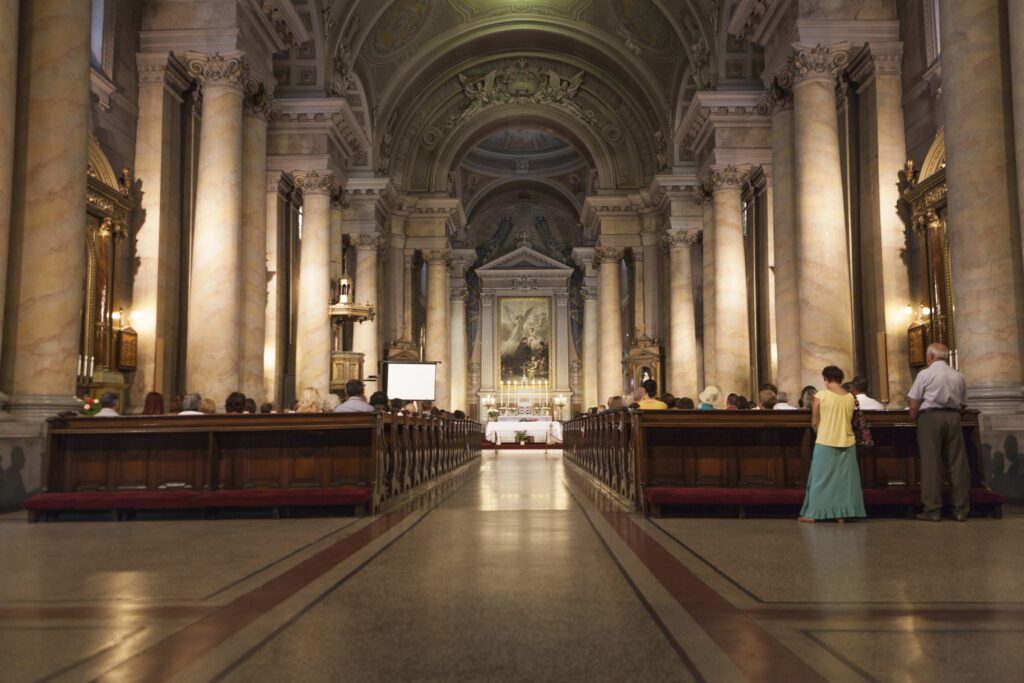
Catholic Parishes of Northampton Diocese
The Catholic parishes of Aylesbury, part of the Diocese of Northampton, run three churches on a small part-time administration team. We built them a website the team runs themselves, and a system that reads the weekly parish newsletter and publishes it: what took the best part of an hour of copying every week now takes about five minutes, with a person approving every item before it goes live. Read the Catholic Parishes of Northampton Diocese case study And the same disciplines, measured in commercial settings: four years building and running NHS platforms in the Bristol, North Somerset and South Gloucestershire area, £1.5M in revenue attributed to organic search for one partner, organic clicks up 229% for another. See our workStraight answers
What makes a good charity website?
One that serves its audiences rather than describing the organisation: the person seeking help finds it in seconds, the donor finds confidence and a clear route to give, and volunteers and funders find what their homework needs. Add accessibility as standard, and a site the team updates without a developer, and the website starts earning its keep.
We are a small charity. Is this kind of work really for us?
Yes, sized honestly. Small charities gain the most from visibility work because every new supporter matters more, and the local and specialist searches you can win are exactly the ones the national names neglect. We scope to what moves your mission, and we'll tell you plainly what isn't worth doing yet.
Can we compete with the big national charities in search?
Not on their terms, and you don't need to. The generic cause terms belong to the giants. The specific, local, and situational searches, where your actual beneficiaries and supporters are, are winnable and usually uncontested. That's where the work concentrates, and it's where the impact is anyway.
Should the website serve donors or the people we help?
Both, without compromise, and the failure mode is choosing. The fix is structure: each audience gets its own clear front door and journey, so the person in need is never routed through a fundraising appeal, and the donor always finds the confidence to give. It's an architecture problem, and it's solvable.
How do you handle trustee sign-off and charity governance?
Comfortably. We've worked under formal governance before, including four years inside NHS structures. Everything we recommend comes with the reasoning written down in plain language, so it can be taken to a board, questioned, and defended without us in the room.
How is success measured for a charity?
In mission terms, agreed before we start: donations and regular givers, volunteer sign-ups, people reached by your services, funder enquiries. Traffic is a leading indicator, never the headline. You get a plain-language monthly report a trustee can read in five minutes.
Find out where your cause is invisible
Start with the free audit: tell us your website and we'll show you where the people who need you, and the people who would fund you, are searching and finding someone else. Or book a call: thirty minutes, free, no slides, just an honest conversation about your business.
Send a message
We reply within one working day.