Charity SEO
Charity SEO is the work of making a cause findable by the three audiences every charity serves: the people who need its help, the people who fund it, and the people who check it out before committing either. Each searches differently, and almost no charity website is structured for all three. This page explains what the work involves. Or skip ahead: run the free audit and we will show you which of your searches you are losing today.
How your audiences actually search
Charity search demand splits three ways, and the splits barely overlap. Help-seeking searches come from people in a situation, phrased in the language of the problem, not your service names, often urgent, often on a phone, and increasingly asked to an AI assistant that answers from whoever explains the help most clearly. Giving searches, donations, volunteering, fundraising, legacy gifts, carry commercial-grade intent and are decided by trust signals as much as rankings. And brand searches spike when you are in the news or on a fundraising push, moments when the results for your own name had better be yours. The structural fact that decides strategy: the generic cause head terms belong to the national giants, while the specific, local, and situational searches, where the real need and real support live, are thin, winnable, and usually ignored.
What the work involves for charities

The help-seeking layer, built in the public's language
Pages for each situation you help with, phrased as people in it actually search, answering first and signposting fast. This is the layer that serves the mission directly, and because it is genuinely useful, it is also what search engines and AI assistants reward.
Content
The giving journeys, treated commercially
Donation, volunteering, and fundraising pages built with the same discipline a commercial site gives its money pages: the searches mapped, the questions answered, the trust evidence placed where the decision happens, and the path to act kept short.
Conversion optimisation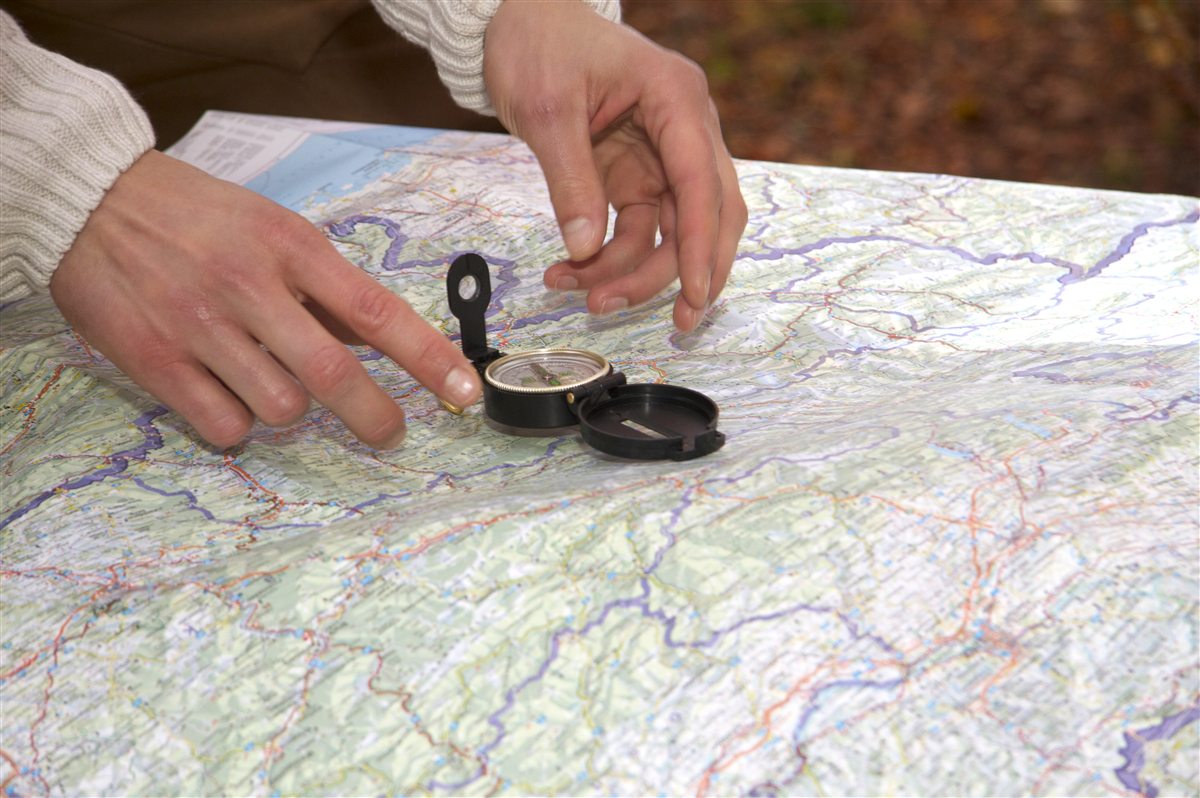
Local visibility for local services
Where your services are place-based, the local layer done properly: business profiles, consistent listings, and area pages with real substance, so "help with X near me" finds you before it finds a national helpline that redirects back to you anyway.
Local SEO
Technical order across charity estates
Charity websites accumulate: old campaign pages, event platforms, donation systems, subdomains nobody owns. We bring the estate to order, clean structure, fast pages, accessible as standard, no dead ends, so the whole thing helps rankings instead of dragging them.
Technical SEOTrust made machine-readable
Registration details, governance, impact reporting, and real outcomes structured so search engines and AI assistants can read them as the trust signals they are. Donors verify before giving; the engines now verify on their behalf.

How it is measured
In mission outcomes, agreed before the work starts: people reached by your help content, donations and regular givers, volunteer sign-ups, funder enquiries. Rankings and traffic report as the leading indicators they are, in a plain-language monthly note a trustee can read in five minutes.
“I am still blown away by what it does!!”
We have done this before

Catholic Parishes of Northampton Diocese
For the Catholic parishes of Aylesbury, part of the Diocese of Northampton, we built the website their small part-time team runs themselves, and the publishing system behind it: the weekly parish newsletter read automatically and sorted onto the site, an hour of weekly copying made a five-minute job, with a person approving every item. Read the Catholic Parishes of Northampton Diocese case study The wider record behind the method: four years running NHS platforms in the Bristol, North Somerset and South Gloucestershire area, and the same SEO disciplines producing £1.5M in revenue attributed to organic search and organic clicks up 229% for commercial partners. See our workStraight answers
Where does charity SEO start?
With the audit and one honest question: which searches matter most to the mission? Usually the answer is the help-seeking layer, because it serves the purpose directly and it is the least contested. The plan then sequences the giving journeys and the estate clean-up behind it, by impact.
Can a charity rank against the national names?
For the generic head terms, rarely, and chasing them wastes money that is not yours to waste. For the specific, situational, and local searches, yes, routinely, because the giants serve them generically and the need is specific. That is where the winnable demand sits, and it is most of the demand that matters.
Is SEO a responsible use of charitable funds?
When it is measured in mission terms, yes, and it should be held to that standard. Visibility work that brings in donors, volunteers, and the people you exist to help is infrastructure, not marketing vanity. We agree the mission measures up front and report against them, so the board can judge it on evidence.
Do you understand the compliance side, fundraising rules, accessibility, governance?
We work to accessibility standards as a floor, and we are used to formal governance: four years inside NHS structures, documented and scrutinised. Fundraising regulation is your officers' domain and we work within their rulings; nothing we build makes a claim your trustees have not signed off.
How long until results?
The help-seeking and local layers often move within a few months because the competition there is thin; the giving terms and estate-wide gains build over more. We set expectations against your actual starting point in the audit, and because the measures are mission ones, you will see it in sign-ups and enquiries, not just charts.
Find out which searches your cause is losing
Run the free audit: tell us your website and we will show you where the people who need you, and the people who would support you, are searching today, and who they are finding instead. Or book a call: thirty minutes, free, no slides, just an honest conversation about your business.
Send a message
We reply within one working day.