Workflow automation
Every business runs on repeated work: data moved between systems, requests routed to the right person, documents produced, chased, and filed. Some of it needs human judgement. A surprising amount of it doesn't. We map how work actually flows through your business, then automate the steps that leak the most time and money, built so your own team runs it after we leave. Start with a free readiness review and we'll show you where the leaks are.
The question nobody asks before automating
Most automation fails for one reason: nobody mapped the process before building. A tool gets bought, a demo impresses everyone, and then it meets the way work really happens, the exceptions, the workarounds, the step that only one person understands, and it dies quietly. We work the other way round. First the map: every step, who does it, what it costs, and where it breaks. Then the ruling, step by step: keep the person, fix the process, or write the script. Only then do we build, starting with the one process that hurts most.

What we automate
Admin and back-office work
The repeated document, data-entry, and filing work that fills days without anyone deciding it should: produced, moved, and recorded automatically, with people handling only the exceptions.
Sales and enquiry handling
Enquiries captured, qualified, routed, and followed up on time, every time, so nothing sits in an inbox over a weekend and no lead goes cold because someone was busy.
Customer lifecycle and communication
The messages your customers should receive at each stage, onboarding, updates, renewals, reviews, written to sound human and sent without anyone remembering to.
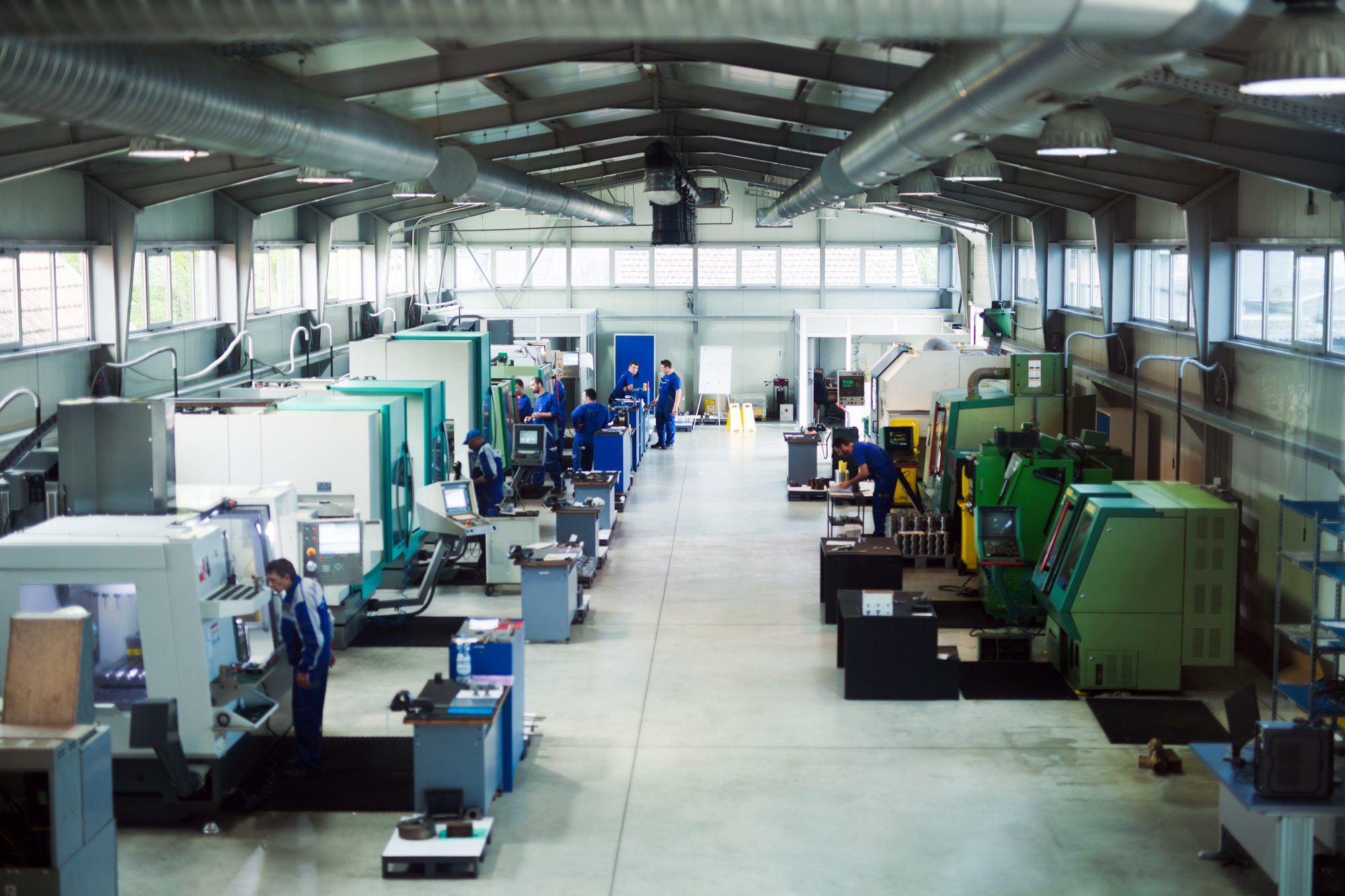
Data moved between systems
Information keyed into one system and rekeyed into another is a tax on every order. We connect the flow so data is entered once and lands everywhere it belongs.
Reporting without the assembly
The numbers your Monday meeting needs, gathered and presented automatically, with alerts when something moves that should not, so decisions run on current information rather than last month's spreadsheet.
The handover
Every automation documented in a plain-language run-book your operations people use without us. If it only works while we're in the room, we haven't finished.
How the work runs
We start with the map: a short discovery pass over how work moves through the business today, priced in hours and errors. You get the honest list: what to automate, what to leave human, and what to fix before automating anything. Then we build the highest-return process first, prove it against a number the board cares about, and extend from there. Measured, or we stop.
We have done this before
Anglers Resource, a specialist distributor with thousands of technical products, ran on manual effort that grew with every order. We rebuilt how the business operates, one platform, connected systems, automated flows, and the manual effort behind sales was cut down to size.
Fundamentally changed how our business operates.
How do you know an automated process is working?
Every process is tied to a number agreed before the build.
Stop work falling through the cracks
Start with the free readiness review: tell us where the days go and we'll map where time and money are leaking, and which fixes need a person, a process, or a script.
Straight answers
What is workflow automation, in plain terms?
It's making software do the repeated, rule-based steps in how your business runs, moving information, sending communications, producing documents, routing work, so people spend their time on the judgement calls only people can make. Done properly, it starts with mapping the process, not buying a tool.
Where should a business start with automation?
With the process that hurts most: the one costing the most hours, causing the most errors, or losing the most enquiries. We find it in the readiness review, automate that first, and prove the return before extending. Starting small and real beats starting broad and theoretical every time.
Will automation replace our team?
It replaces tasks, not people, specifically the tasks your people would happily never do again. In practice the same team gets through more work, faster and with fewer errors, and the hours saved go into the work that actually needs a human: customers, judgement, and growth.
What if our processes are messy or undocumented?
Then you're normal, and it's exactly why we map first. Automating a broken process just produces mistakes faster. The mapping stage untangles how work really happens, exceptions included, and often improves the process before a single thing is automated.
Do we need new software for this?
Usually less than you'd expect. We're tool-agnostic and build in the platforms you already pay for wherever possible, connecting them rather than replacing them. Where a new tool genuinely earns its place, we say so and show the reasoning.
How do you measure whether it worked?
Against the number we agreed before building: hours returned, response times, error rates, orders processed, enquiries answered. Every automation is tied to a measurable outcome from the start, reported in plain language, and if it isn't moving the number, we change it or kill it.
Stop work falling through the cracks
Start with the free readiness review: tell us where the days go and we'll map where time and money are leaking, and which fixes need a person, a process, or a script. Or book a call: thirty minutes, free, no slides, just an honest conversation about your business.
Send a message
We reply within one working day.