Digital for the public sector
Public-sector digital work carries obligations most agencies never think about: accessibility that is a duty rather than a feature, information people depend on, and services that have to keep working for years, not until the next redesign. We build and run digital services for publicly funded organisations to exactly that standard, and we spent years inside the NHS doing it: building and running the platform that helped three counties' health organisations work as one, from their 2018 merger, through Covid, to the 2022 reorganisation. Start with a free teardown and we will tell you plainly where your service stands.
The public-sector problem
A public-sector website is not a marketing asset; it is a service. People arrive needing information or help, often at difficult moments, on whatever device and connection they have. That sets a different bar: accessible to everyone as a matter of duty, written in language everyone can understand, reliable enough to depend on, and maintainable for the long life public services actually have. Plenty of suppliers can launch a site. The harder job is running one that keeps serving the public for years.

What we do for public bodies
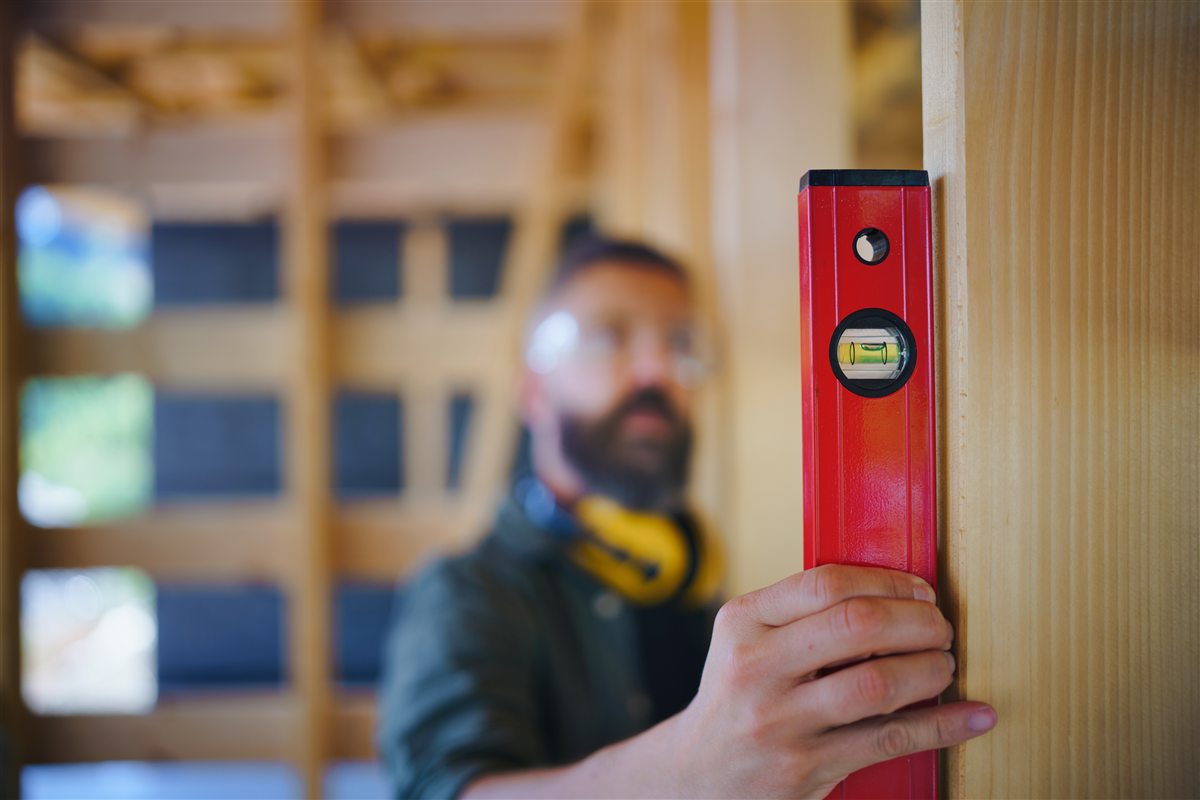
Accessible by design
Accessibility in the public sector is a legal duty and a moral one, and it cannot be retrofitted. We build to recognised accessibility standards from the first wireframe: structure, contrast, keyboard navigation, assistive-technology support, and testing with the standard in hand, not a plugin bolted on at the end. We have also taught this hands-on, delivering in-person accessibility training to an NHS hospital digital team.
UX
Content people can actually use
Public services live or die on clarity. We write and structure content in plain language, organised around what people come to do rather than how the organisation is structured, so the person who needs the information finds it and understands it first time. During Covid, that discipline carried a three-county area's public health information.
Copywriting
Built to run for years
Public digital services have long lives and changing teams. We build on maintainable foundations, document properly, and offer the ongoing care that keeps a service secure, fast, and current long after launch, the way we ran a three-county NHS platform from the merged organisation's formation in 2018 to the reorganisation of 2022.
Care and maintenance
Measured and accountable
Public work should be able to show what it delivers. We set up measurement that reports service performance in plain terms, what people came to do and whether they could, so the value is visible to the organisation and defensible to everyone it answers to.
Conversion optimisation
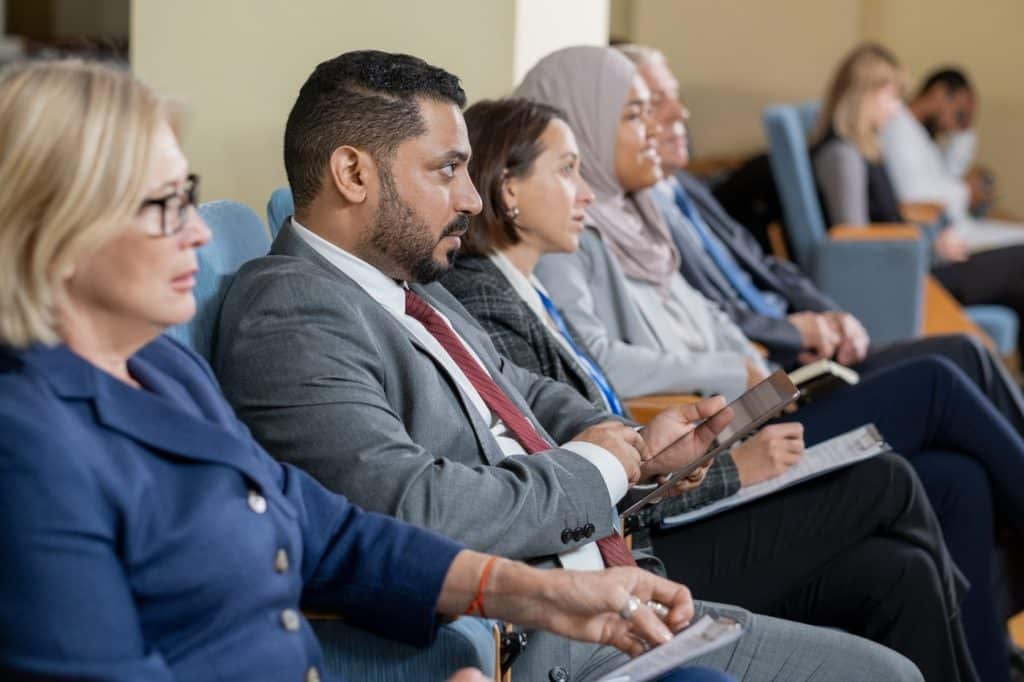
Straight answers
Do you meet public-sector accessibility requirements?
Yes, by building to recognised accessibility standards from the start rather than patching afterwards. Structure, navigation, contrast, and assistive-technology support are designed in, tested against the standard, and documented. We have also delivered in-person accessibility training to an NHS hospital digital team, teaching the same practice we build to.
Can you run a service long-term, not just launch it?
Yes; running services is part of what we do, not an afterthought to a launch. We ran a three-county NHS platform from 2018 to 2022, through the pandemic, with security, updates, performance, and content support throughout, and documentation good enough that the service survived organisational change on the client's side.
How do you handle governance and sign-off?
By expecting it. Our NHS work meant clinical leads, communications teams, commissioners, and partner bodies across three counties, each with their own stakeholders and approval stages. We work the way that demands: documented decisions, clear stages, and work presented so the people accountable can sign off with confidence.
Is search visibility relevant to a public body?
Yes, differently. The job is not competing for customers; it is making sure the people who need a service find the official source first, ahead of outdated or misleading alternatives. Clear structure and plain content, the same foundations, do that work, and they are what AI assistants cite when people ask.
How do we get started?
With the free teardown: tell us the service and we will come back with a plain assessment of where it stands on accessibility, clarity, performance, and maintainability, and what we would fix first. It is a working document you can use whether or not we go further together.
Get a straight assessment of your service
Start with the free teardown: a plain-language review of where your digital service stands and what would improve it most. Or book a call: thirty minutes, free, no slides, just an honest conversation about your business.
Send a message
We reply within one working day.